
Feeding Therapy
Supporting safe, confident eating through connection and regulation.
Feeding Therapy
At Heart & Sol Speech Therapy, feeding therapy supports infants and young children (0–5 years) who are experiencing difficulty with bottle feeding, transitioning to solids, or limited food variety. My approach is regulation-informed, neurodiversity-affirming, and centered on empowering parents with practical, evidence-based strategies.
As a pediatric speech-language pathologist, my role in feeding therapy focuses on:
• Oral motor skills
• Swallowing safety
• Sensory-motor feeding development
• Mealtime dynamics and parent coaching
I do not provide medical, nutritional, or lactation services. If concerns arise that require medical or dietary evaluation, I will collaborate with your child’s healthcare providers to ensure comprehensive care.
If mealtimes feel stressful, overwhelming, or confusing - you don’t have to navigate it alone.
Feeding Services Offered
Focus areas may vary based on each child’s individual needs. If you’re unsure whether speech therapy is right for your child, please contact Heart and Sol Speech to schedule a free consultation
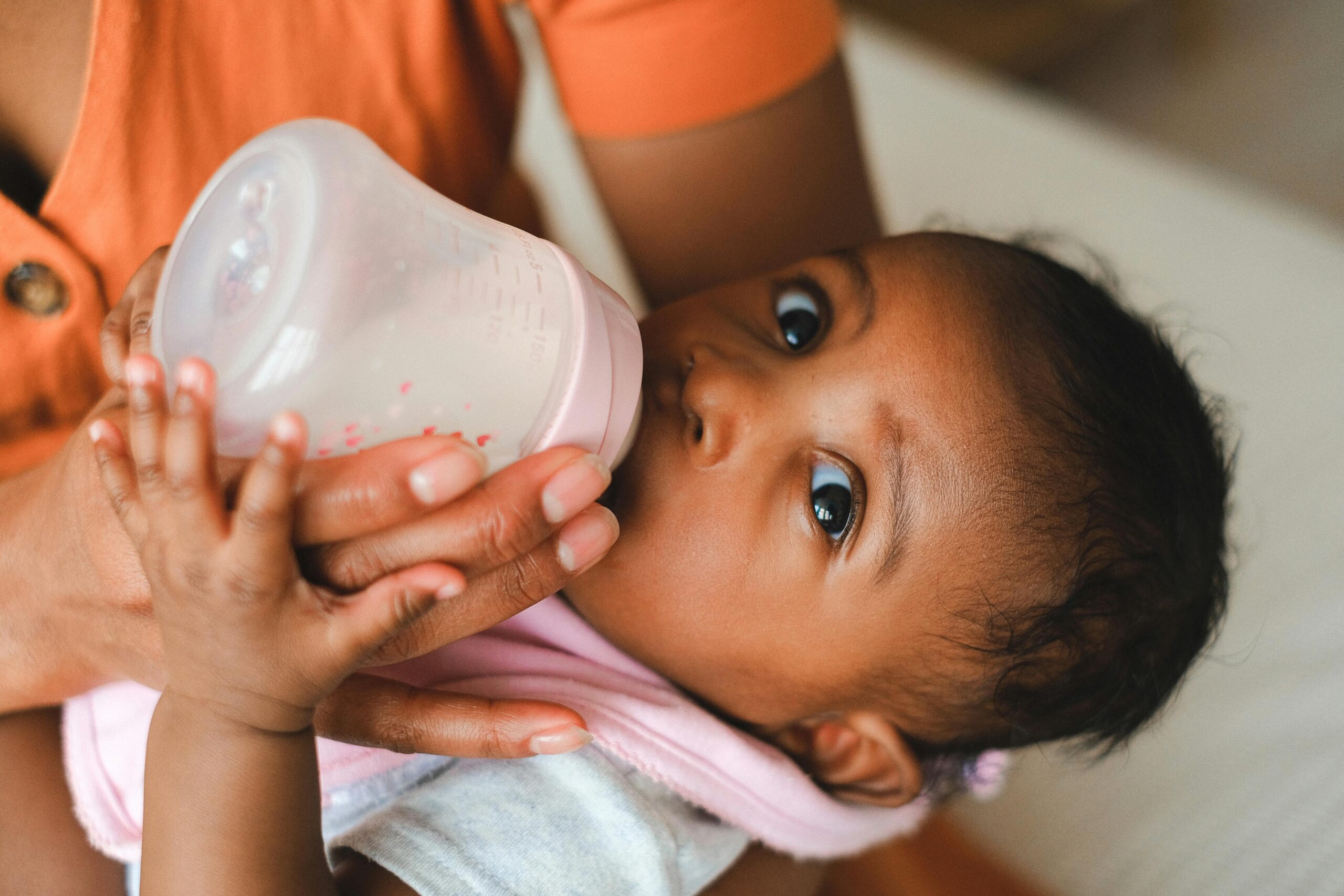
Bottle Feeding Support
My role is to assess oral motor skills and feeding coordination and provide caregiver education to support safe feeding routines at home.
Supports for bottle feeding may include:
Difficulty coordinating suck-swallow-breathe
Coughing, choking, or frequent gagging
Concerns about airway safety
Thickened liquids support
NICU/PICU history
Parent education regarding pacing and positioning

Transitions to Solids
I support toddlers in building oral motor strength, coordination, and confidence as they move toward age-appropriate textures.
Support for transitioning away from liquids may include:
Delayed introduction of solids
Difficulty managing textures
Gagging with purées or table foods
Reliance on milk beyond expected developmental stages
Difficulty weaning from bottle
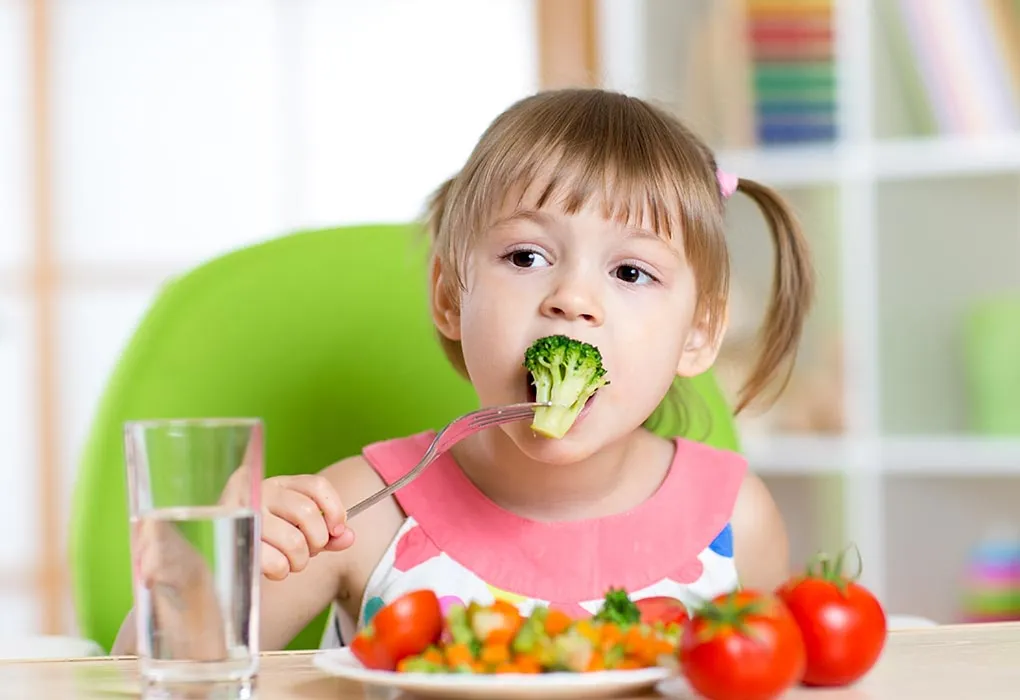
Picky Eating
I am trained in the SOS (Sequential Oral Sensory) Approach to Feeding and use play-based, gradual exposure techniques to expand food variety while maintaining a positive and pressure-free environment.
Supports for increasing food repertoire may include:
Very restricted food preferences
Food aversions
Anxiety around new foods
Mealtime struggles